

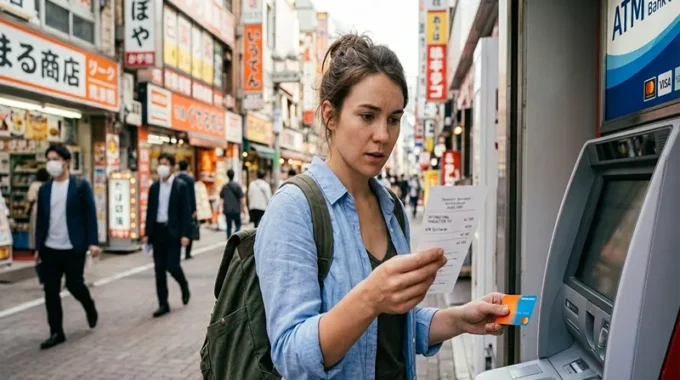
Traveling abroad is an exciting opportunity to explore new destinations, cultures, and experiences. However, many travelers return home surprised by unexpected banking fees that quietly add to the cost of their trip. Foreign transaction fees, ATM charges, currency conversion markups, and other hidden expenses can quickly accumulate, reducing the value of your travel budget.
The good news is that most of these fees can be minimized—or even eliminated—with proper planning. By understanding how international banking fees work and adopting smart travel money management strategies, you can keep more of your money for experiences rather than unnecessary charges.
This guide explains the most common fees travelers encounter and provides practical ways to avoid international bank fees while managing money efficiently abroad.
Understanding Common International Banking Fees
Before you can reduce fees, it’s important to understand where they come from.
Foreign Transaction Fees
Many banks and credit card issuers charge foreign transaction fees when purchases are made in another currency or processed through foreign financial institutions.
These fees are commonly around 1% to 3% of each transaction. While a few dollars may seem insignificant, repeated purchases throughout a trip can add up quickly.
For example, spending $3,000 during an international vacation could result in $30 to $90 in additional fees if your card charges a 3% foreign transaction fee.
ATM Withdrawal Fees
ATM charges abroad often come from multiple sources.
You may encounter:
- Fees charged by your home bank
- Fees charged by the ATM operator
- Currency conversion markups
- International network fees
A single withdrawal could easily incur several charges, making frequent small withdrawals particularly expensive.
Currency Conversion Charges
Banks and payment processors typically apply exchange rates when converting currencies.
While some institutions use competitive market rates, others include hidden markups that increase the cost of transactions.
Even a small exchange-rate markup can significantly impact larger purchases.
Dynamic Currency Conversion (DCC)
Dynamic Currency Conversion, often referred to as DCC, allows merchants and ATMs to charge your card in your home currency rather than the local currency.
Although this option may appear convenient, it often includes unfavorable exchange rates and additional conversion costs.
Many travelers unknowingly pay significantly more by accepting DCC offers.
Choose the Right Bank Account Before You Travel
One of the most effective ways to avoid international bank fees is selecting travel-friendly financial products before departure.
Look for No-Fee International Accounts
Some financial institutions offer accounts designed specifically for travelers.
These accounts may provide:
- No foreign transaction fees
- Reimbursement of overseas ATM fees
- Competitive currency exchange rates
- Global ATM access
Review your existing banking products carefully and compare available options before your trip.
Consider International Debit Cards
International debit cards are often designed to support global travel.
Benefits may include:
- Lower withdrawal costs
- Better exchange rates
- Reduced international transaction fees
- Wide ATM network access
These features can help travelers save money throughout extended trips.
Review ATM Network Partnerships
Many banks participate in international ATM alliances that allow customers to withdraw funds from partner ATMs with reduced or waived fees.
Researching these partnerships before traveling can help you identify cost-effective withdrawal options at your destination.
Use Credit Cards Strategically Abroad
Credit cards can often be one of the most cost-effective payment methods for international travel when used correctly.
Choose Cards With No Foreign Transaction Fees
One of the simplest travel banking strategies is using a credit card that does not charge foreign transaction fees.
If your current card imposes a 3% fee, switching to a travel-friendly card could save substantial money during international trips.
Take Advantage of Competitive Exchange Rates
Major card networks often provide exchange rates that closely track market rates.
These rates are frequently better than those offered by currency exchange counters or Dynamic Currency Conversion services.
Using a travel-friendly credit card for purchases can therefore improve overall value.
Avoid Cash Advances
While credit cards are useful for purchases, cash advances should generally be avoided.
Cash advances often involve:
- Immediate interest charges
- Additional transaction fees
- Higher interest rates
Whenever possible, use debit cards rather than credit cards for ATM withdrawals.
Minimize ATM Charges Abroad
Cash remains necessary in many destinations, but there are ways to reduce overseas ATM fees.
Withdraw Larger Amounts Less Frequently
Each ATM transaction may trigger multiple fees.
Instead of making numerous small withdrawals, consider withdrawing larger amounts less often.
For example, five withdrawals with a $5 fee each would cost $25, while one larger withdrawal would incur only a single fee.
Use Bank-Affiliated ATMs
ATMs operated by major banks are often safer and may charge lower fees than independent machines.
Bank-affiliated ATMs can also reduce the likelihood of unexpected surcharges.
Research ATM Fees Before Traveling
Travel guides, banking websites, and traveler forums often provide information about ATM costs in different countries.
Understanding local banking practices before departure can help you identify the most economical options.
Monitor Withdrawal Limits
Many banks impose daily withdrawal limits.
Understanding these limits can help you plan withdrawals efficiently and avoid unnecessary transaction fees.
Avoid Dynamic Currency Conversion
Always Pay in Local Currency
When paying with a card abroad, merchants may ask whether you prefer to be charged in your home currency or the local currency.
In most cases, choosing the local currency provides the better exchange rate.
This simple decision can save money on virtually every card transaction.
Recognize DCC Offers
Dynamic Currency Conversion often appears on payment terminals as a question similar to:
- “Pay in USD or local currency?”
- “Would you like to lock in today’s exchange rate?”
These offers may sound beneficial, but they frequently include hidden costs.
Understand the Cost Difference
Imagine a €500 purchase.
A standard card network exchange rate might convert the transaction at a competitive rate, while DCC could add a markup of 3% to 8%.
That difference could increase the cost of the purchase by $15 to $40 or more.
Smart Currency Exchange Strategies
Avoid Airport Exchange Counters
Airport exchange counters are convenient but often provide some of the least favorable exchange rates.
Travelers frequently pay a premium for this convenience.
Compare Exchange Providers
If you need cash before departure, compare rates offered by:
- Banks
- Currency exchange providers
- Online exchange services
Even modest differences in exchange rates can produce meaningful savings.
Use Local Banks When Appropriate
In some destinations, local banks offer better exchange rates and lower fees than tourist-oriented exchange businesses.
Researching reputable local banking options can help reduce conversion costs.
Carry a Small Amount of Local Cash
Having a modest amount of local currency available upon arrival can be helpful for transportation, tips, and small purchases.
However, carrying excessive cash increases security risks and may lead to unfavorable exchange decisions.
Digital Tools for Travel Money Management
Technology can make travel money management much easier.
Mobile Banking Apps
Modern banking apps provide:
- Instant transaction alerts
- Account monitoring
- Card management features
- Fraud detection notifications
These tools help travelers monitor spending and identify suspicious activity quickly.
Currency Conversion Apps
Currency apps allow travelers to compare exchange rates in real time.
This information helps ensure that merchants and exchange providers are offering fair rates.
Expense Tracking Tools
Budgeting and expense-tracking apps can help travelers monitor spending categories and stay within budget throughout their trip.
Common Mistakes That Lead to Extra Fees
Many travelers unknowingly increase costs through avoidable mistakes.
Exchanging Too Much Cash
Large amounts of exchanged cash may result in unnecessary conversion costs and security concerns.
Using Independent ATMs Without Checking Fees
Independent ATMs often charge higher fees than bank-operated machines.
Ignoring Foreign Transaction Charges
Using cards with high foreign transaction fees can quietly increase expenses throughout a trip.
Accepting Dynamic Currency Conversion
Choosing your home currency instead of the local currency is one of the most common and costly travel banking mistakes.
Failing to Notify Your Bank Before Traveling
While many banks no longer require travel notices, some fraud prevention systems may still flag overseas activity.
Checking your bank’s travel policies before departure can help prevent payment disruptions.
Building a Cost-Effective Travel Banking Strategy
Combine Multiple Payment Methods
A balanced approach often works best.
Consider using:
- A travel-friendly credit card for purchases
- An international debit card for cash withdrawals
- A small amount of local cash for emergencies
This strategy provides flexibility while minimizing fees.
Prepare Before Departure
Researching banking options, ATM networks, exchange rates, and travel card benefits before leaving can produce significant savings.
Prioritize Security
Protect your finances by:
- Using secure ATMs
- Monitoring accounts regularly
- Enabling transaction alerts
- Carrying backup payment methods
A secure travel banking strategy is just as important as a cost-effective one.
Avoiding international bank fees and ATM charges abroad doesn’t require complicated financial planning. By understanding common fees, choosing travel-friendly banking products, using credit cards strategically, avoiding Dynamic Currency Conversion, and planning ATM withdrawals carefully, you can significantly reduce unnecessary travel expenses.
The most effective travel banking strategies focus on preparation, informed decision-making, and smart money management. Taking the time to review your banking setup before your next international trip can help you keep more of your money available for the experiences that matter most.